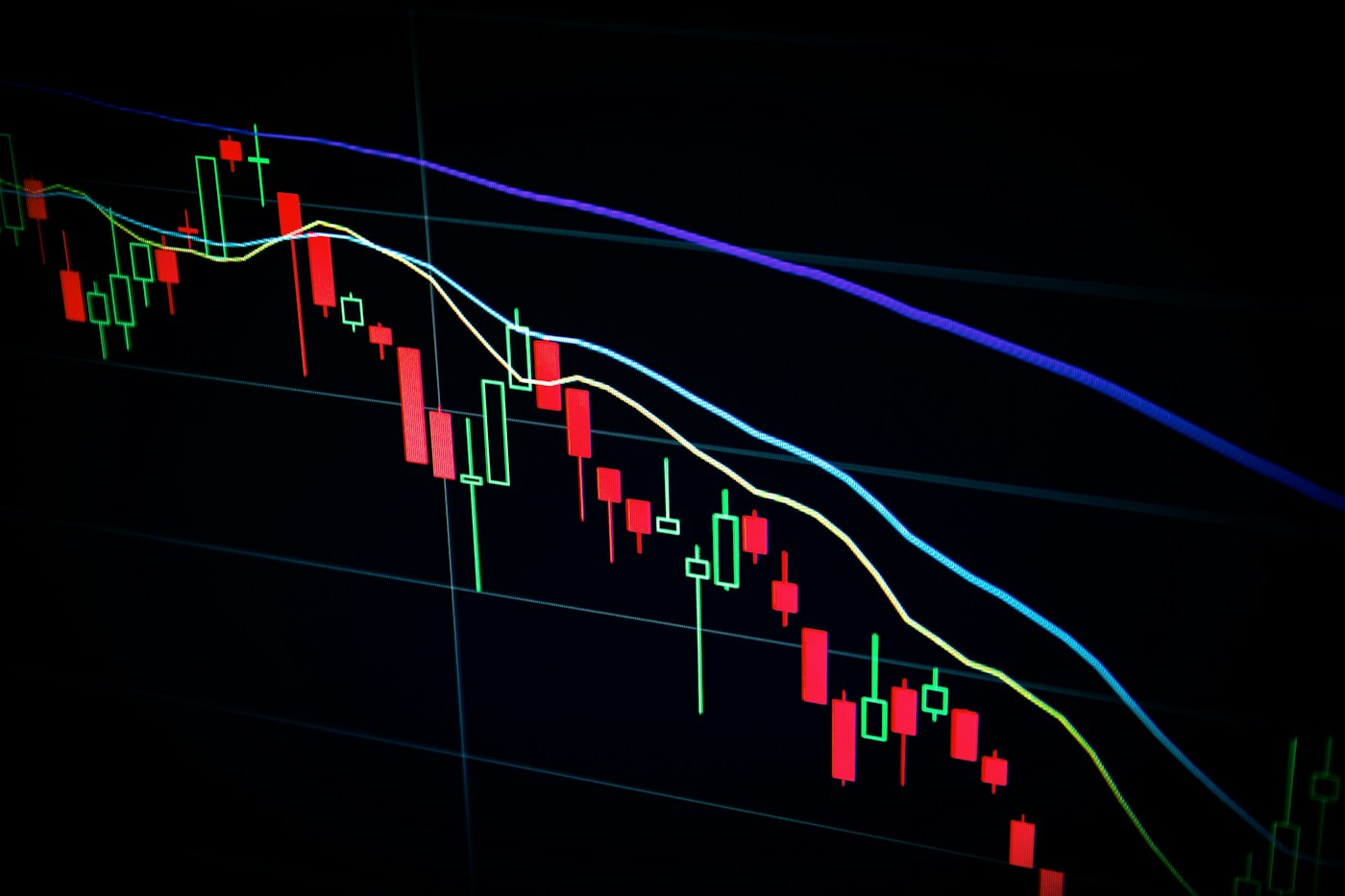
If you've ever looked at a stock chart and felt overwhelmed by those colorful rectangles with lines sticking out, you're not alone. Candlestick charts are the universal language of technical traders — and once you learn to read them, market movements start telling a very clear story.
What is a Candlestick?
A candlestick represents price movement over a specific time period. Each candle shows you four things: the opening price, the closing price, the highest price reached, and the lowest price hit during that period. Whether it's a 1-minute candle on an intraday chart or a monthly candle on a long-term view, the structure is always the same.
Anatomy of a Candle
Each candlestick has two parts: the body (the fat rectangle) and the wicks or shadows (the thin lines above and below). The body shows the range between open and close. The wicks show how far price traveled beyond that range.
Close > Open
Close < Open
Open ≈ Close
A long body shows strong conviction — buyers or sellers were firmly in control. A short body means indecision. Long wicks tell you that price tried to go somewhere but got rejected — a very useful signal for spotting reversals.
Key Patterns to Know
Individual candles can tell you a story, but patterns — combinations of two or three candles — give you even stronger signals. Here are the ones every trader should have memorized:
Reading Nifty50 Charts
When you're looking at Nifty50 charts, the candlestick patterns work exactly the same way — but the context matters more. A hammer on the daily Nifty chart near a major support level (like 22,000 or 21,500) carries far more weight than a hammer in the middle of nowhere.
Also pay close attention to volume. On StockTrendz, you can overlay volume bars below any chart. A bullish engulfing candle with 3x average volume is a much stronger buy signal than the same pattern on low volume. Volume confirms conviction.
Common Mistakes New Traders Make
The biggest mistake is trading every pattern you see without context. Candlestick patterns are probabilistic signals, not guarantees. They tell you what's more likely to happen — not what will definitely happen.
Second mistake: ignoring the timeframe. A doji on a 1-minute chart means almost nothing. The same doji on a weekly chart near a key level? That's worth paying serious attention to. The higher the timeframe, the more reliable the signal.
Finally, remember that practice makes recognition instant. Open a chart right now — whether it's Reliance, HDFC Bank, or the Nifty index itself — and start identifying candles. With time, you'll spot patterns in seconds, and that's when technical analysis starts working for you.