Why the Stock Market Exists — and Why It Matters to You
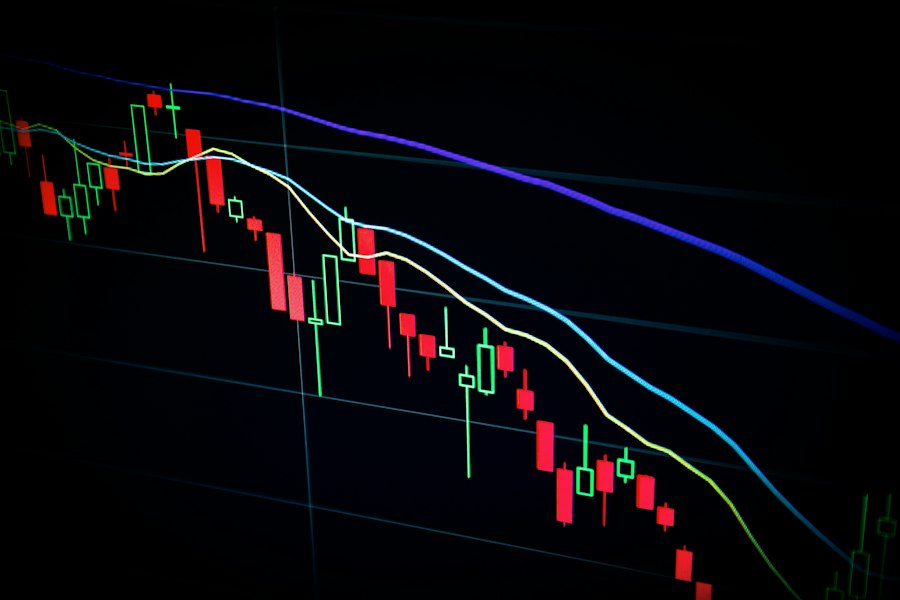
Before you buy a single share, you need to understand what the stock market actually is — not the Hollywood version of shouting traders, but the real economic engine beneath it.
What Is the Stock Market?
A stock market is a regulated marketplace where buyers and sellers trade ownership stakes (shares) in publicly listed companies. In India, the two main exchanges are NSE (National Stock Exchange) and BSE (Bombay Stock Exchange).
Primary vs Secondary Market
Why Should You Care?
Historically, Indian equities (Sensex) have returned ~14–16% CAGR over 30 years — far outpacing FDs, gold, or real estate on a risk-adjusted basis when diversified.
SEBI: Your Regulator
The Securities and Exchange Board of India (SEBI) regulates all market participants — exchanges, brokers, companies, and mutual funds. SEBI ensures transparency, investor protection, and fair practices.
Participants in the Market
- Retail Investors — individuals like you
- FIIs/FPIs — Foreign Institutional Investors; their flows heavily influence Nifty direction
- DIIs — Domestic Institutional Investors (mutual funds, insurance companies)
- Operators / Prop Desks — high-frequency traders and market makers